The Quiet Rise of Drug-Resistant Fungal Infections—and What We Can Do About It
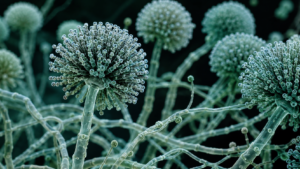
Aspergillus fumigatus – common soil mold. See below for more ionformation
For decades, public-health warnings about antimicrobial resistance have focused mainly on bacteria that no longer respond to antibiotics. A quieter threat, however, is becoming increasingly difficult to ignore: fungal infections that resist the medicines designed to treat them.
Most fungal infections remain relatively minor. Athlete’s foot, ringworm, nail fungus and common yeast infections are usually treatable. Other fungi can invade the lungs, bloodstream, brain or internal organs, particularly in people whose immune systems are weakened. When those fungi become resistant to treatment, the consequences can be serious—and sometimes deadly.
In June 2026, the World Health Organization released a new international blueprint describing fungal disease and antifungal resistance as an underestimated and neglected global-health threat. The plan calls for stronger diagnostic systems, surveillance, treatment access, professional training, research and antifungal stewardship. [World Health Organization][1]
What Is Antifungal Resistance?
Antifungal resistance occurs when a fungus changes in a way that allows it to survive exposure to a medicine that would normally kill it or stop its growth.
Resistance can develop within a patient during treatment, particularly when antifungal medicines are used for long periods. It can also emerge in the environment. Some agricultural fungicides are chemically similar to antifungal medicines used in people. Exposure to these chemicals can favor resistant fungi that later infect humans—even people who have never taken an antifungal drug. [CDC][2]
The problem is especially concerning because doctors have far fewer classes of antifungal medicines than antibiotics. In 2025, the WHO reported that only four new antifungal drugs had been approved by major regulatory authorities during the previous decade, while just nine medicines were then in clinical development for the most threatening fungal pathogens. [World Health Organization][3]
The Fungi Causing the Greatest Concern
1. Candida auris: A Hospital-Associated Superbug

Candida auris- Yeast fungi highly maginified
One of the best-known resistant fungi is Candida auris or C. auris. This yeast can spread among patients in hospitals, nursing homes and other healthcare facilities. It may remain on the skin without causing symptoms, but it can also enter the bloodstream or internal organs and cause severe illness.
The CDC recorded more than 6,000 clinical C. auris cases in the United States during 2024, continuing a rise that began after the organism was first reported in the country in 2016. [CDC][4]
Resistance is common. Testing of more than 8,000 U.S. clinical isolates collected during 2022 and 2023 found that 95 percent were resistant to fluconazole, 15 percent were resistant to amphotericin B and approximately 1 percent were resistant to echinocandins, the class generally used as first-line treatment. A small number were resistant to all three major antifungal classes. [CDC][5]
Healthy people are generally at low risk of invasive C. auris illness. The greatest danger is to patients who are critically ill, have weakened immune systems, require ventilators or feeding tubes, have central intravenous lines, or spend extended periods in healthcare facilities.
2. Drug-Resistant Aspergillus
Aspergillus fumigatus is a mold commonly found in soil, compost and decaying plant material. Most people inhale its spores without becoming sick. In people with damaged lungs or weakened immune systems, however, it can cause a serious lung infection known as aspergillosis.
Azole medicines are among the primary treatments, but resistant infections are becoming more common. The CDC reports that resistance has been found in an estimated 19 percent of infections at some medical centers worldwide and in up to 7 percent of specimens from certain U.S. transplant patients. Patients with azole-resistant infections may have a substantially greater risk of death than those whose infections remain treatable. [CDC][2]
Resistance can develop after long-term medical treatment or through environmental exposure to agricultural azole fungicides. This connection makes resistant Aspergillus, a “One Health” problem involving human medicine, agriculture and environmental policy.
3. Resistant Ringworm Is Emerging
Ringworm is not caused by a worm. It is a group of contagious fungal infections affecting the skin, scalp, feet, groin or nails. Although most cases respond to topical or oral medicine, several difficult-to-treat forms have now appeared in the United States.
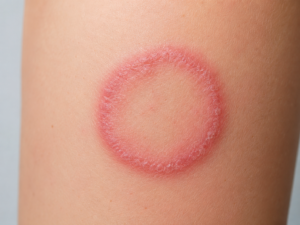
Ringworm infection on the skin.
The CDC identifies three emerging forms: Trichophyton indotineae, terbinafine-resistant Trichophyton rubrum and TMVII. The first two may fail to respond to terbinafine or other medicines commonly used for ringworm. Some infections produce large, inflamed, intensely itchy rashes and may require specialized laboratory testing and prolonged treatment. [CDC][6]
Misuse of topical products is part of the problem. Steroid creams can suppress the skin’s defenses, allow ringworm to spread and alter the rash so that it becomes harder to diagnose. Combination creams containing both an antifungal and a potent corticosteroid may also contribute to longer treatment and resistance. [CDC][7]
Why Are Serious Fungal Infections Increasing?
Several trends are occurring at the same time.
Modern medicine allows more people to survive cancer, organ transplantation, autoimmune disease and other serious conditions. This is an enormous medical achievement, but chemotherapy, transplant drugs, corticosteroids and other immune-suppressing treatments can also increase susceptibility to invasive fungal disease.
Hospitals care for more patients who require central lines, ventilators, urinary catheters and complex surgery. These procedures can create opportunities for fungi to enter the body.
Broad-spectrum antibiotics can disturb the body’s normal bacteria, sometimes allowing yeasts such as Candida to multiply. Antibiotics do not treat fungal infections and should be used only when medically appropriate. [CDC][8]
Fungal diseases are also frequently misdiagnosed because their symptoms can resemble bacterial or viral illnesses. Delayed diagnosis gives an invasive infection more time to advance and may expose the patient to unnecessary antibiotics before the correct treatment begins. [CDC][8]
Finally, travel, patient transfers between healthcare facilities and international movement can carry resistant organisms into new regions. Inadequate laboratory capacity means resistance may circulate for some time before it is recognized.
What Individuals Can Do
Antifungal resistance cannot be solved solely through personal behavior, but several precautions can reduce unnecessary drug exposure and help infections receive appropriate treatment.
Use antifungal medicines exactly as directed. Do not skip doses, stop treatment early, save leftover medicine or use another person’s prescription. Contact the prescribing clinician when side effects or other problems make treatment difficult.
Avoid treating an unidentified rash with steroid cream. A corticosteroid may temporarily reduce redness while allowing an underlying fungal infection to spread. A persistent, widespread or worsening rash should be evaluated by a healthcare professional.
Do not demand antibiotics for illnesses they cannot treat. Antibiotics are valuable when needed, but unnecessary use can disturb normal microorganisms and increase the risk of certain fungal infections.
Prevent the spread of skin fungi. Keep skin clean and dry, change socks and underwear regularly, wear sandals in public showers and locker rooms, and avoid sharing towels, clothing, bedding, razors or sports equipment. People with a suspected resistant rash should avoid close skin-to-skin contact until they receive medical advice. [CDC][9]
Tell healthcare providers about previous resistant infections. Anyone who has tested positive for *C. auris* should inform hospitals, dialysis centers, nursing facilities and home-health providers, even when the original infection has resolved.
Seek help when treatment is not working. A rash that continues to spread, a fungal infection that repeatedly returns, or symptoms that fail to improve after correctly used treatment may require laboratory identification and susceptibility testing. People with weakened immunity should contact a clinician promptly about unexplained fever, breathing difficulty, worsening cough or other signs of infection.
What Healthcare Facilities Must Do
Hospitals and long-term-care facilities are central to controlling *C. auris* and other resistant fungi. Important measures include:
- Rapidly identifying the fungus and testing its drug susceptibility
- Screening patients who may have been exposed to C. auris
- Using consistent hand hygiene, gowns and gloves when appropriate
- Cleaning rooms and medical equipment with disinfectants known to work against the organism
- Communicating a patient’s status during transfers between facilities
- Tracking cases and reporting unusual resistance patterns to public-health authorities
- Establishing antifungal-stewardship programs so that patients receive the correct drug, dose and treatment duration
The CDC emphasizes that alcohol-based hand sanitizer is preferred for C. auris when hands are not visibly dirty, while soap and water should be used when they are soiled. Gloves do not replace proper hand hygiene. [CDC][10]
What Governments and Researchers Can Do
A lasting response requires investment well beyond individual hospitals.
Countries need better fungal-disease surveillance, regional reference laboratories and affordable rapid tests. Clinicians need more training in recognizing infections that do not respond to standard therapy. Patients everywhere need reliable access to existing antifungal medicines, not merely the newest treatments.
Agricultural and health authorities must also work together to understand how fungicide use affects medically important fungi. This does not mean simply eliminating crop protection. It means identifying practices that preserve agricultural productivity without unnecessarily encouraging resistance to medicines needed for human health.
Finally, governments and pharmaceutical developers must expand the pipeline of new antifungals, diagnostic tests and vaccines. The WHO’s 2026 blueprint emphasizes that awareness, diagnostics, treatment access, surveillance, stewardship, research and environmental action must advance together. [World Health Organization][1]
Awareness Without Panic
The rise of resistant fungi deserves attention, but it should not create panic. Most healthy people are unlikely to develop a life-threatening fungal infection, and many common fungal conditions remain readily treatable.
The greater danger lies in ignoring the problem: misdiagnosing infections, misusing medications, failing to detect outbreaks and allowing the antifungal pipeline to remain dangerously limited.
Drug-resistant fungi are already testing hospitals, laboratories and public-health systems. With earlier diagnosis, responsible prescribing, stronger infection control, environmental cooperation and sustained research, the world still has an opportunity to prevent this quiet threat from becoming a much larger crisis.
=> This article is for general educational purposes and is not a substitute for diagnosis or treatment by a qualified healthcare professional.
Sources:
[1]: https://www.who.int/news/item/30-06-2026-new-who-report-outlines-critical-steps-to-confront-fungal-disease-and-antifungal-resistance “New WHO report outlines critical steps to confront fungal disease and antifungal resistance”
[2]: https://www.cdc.gov/aspergillosis/php/guidance/index.html “Antimicrobial-Resistant Aspergillus | Aspergillosis | CDC”
[3]: https://www.who.int/news/item/01-04-2025-who-issues-its-first-ever-reports-on-tests-and-treatments-for-fungal-infections “WHO issues its first-ever reports on tests and treatments for fungal infections”
[4]: https://www.cdc.gov/candida-auris/index.html “Candida auris | Candida auris (C. auris) | CDC”
[5]: https://wwwnc.cdc.gov/eid/article/32/2/25-1043_article “Candida auris Testing by the Antimicrobial Resistance Laboratory Network, United States, 2022–2023 – Volume 32, Number 2—February 2026 – Emerging Infectious Diseases journal – CDC”
[6]: https://www.cdc.gov/ringworm/about/emerging-types.html “Emerging Types of Ringworm | Ringworm | CDC”
[7]: https://www.cdc.gov/ringworm/treatment/index.html?utm_source=chatgpt.com “Treatment of Ringworm”
[8]: https://www.cdc.gov/fungal/about/index.html “About Fungal Diseases | Fungal Diseases | CDC”
[9]: https://www.cdc.gov/ringworm/about/emerging-types.html?utm_source=chatgpt.com “Emerging Types of Ringworm”
[10]: https://www.cdc.gov/candida-auris/hcp/infection-control/index.html?utm_source=chatgpt.com “Infection Control Guidance: Candida auris”
News About Drug Resistant Fungi
Maintain
the Balancing Act
When the spinning top,
which is the
immune system,
begins to wobble,
opportunistic fungi
find a foothold
in our bodies –
lungs and skin,
bloodstream and
internal organs.
The fungus among us
have a job to do –
not ill health and annoyance,
but to recycle
the pieces
on this planet –
plants and animals –
that have
relinquished life.
For fungi are neither
good nor evil,
but a necessary
component
like the sun
or the rain
to keep Nature
in balance.
Weapons against fungi
are failing
like tanks versus drones,
new medical methods
must be found or we
otherwise need to learn
ways to keep our tops spinning
at peak efficiency.
©2026 Carl Scott Harker,
publisher of

Value of the Colors
of the Rainbow
Volume Two
.
|
|
|
